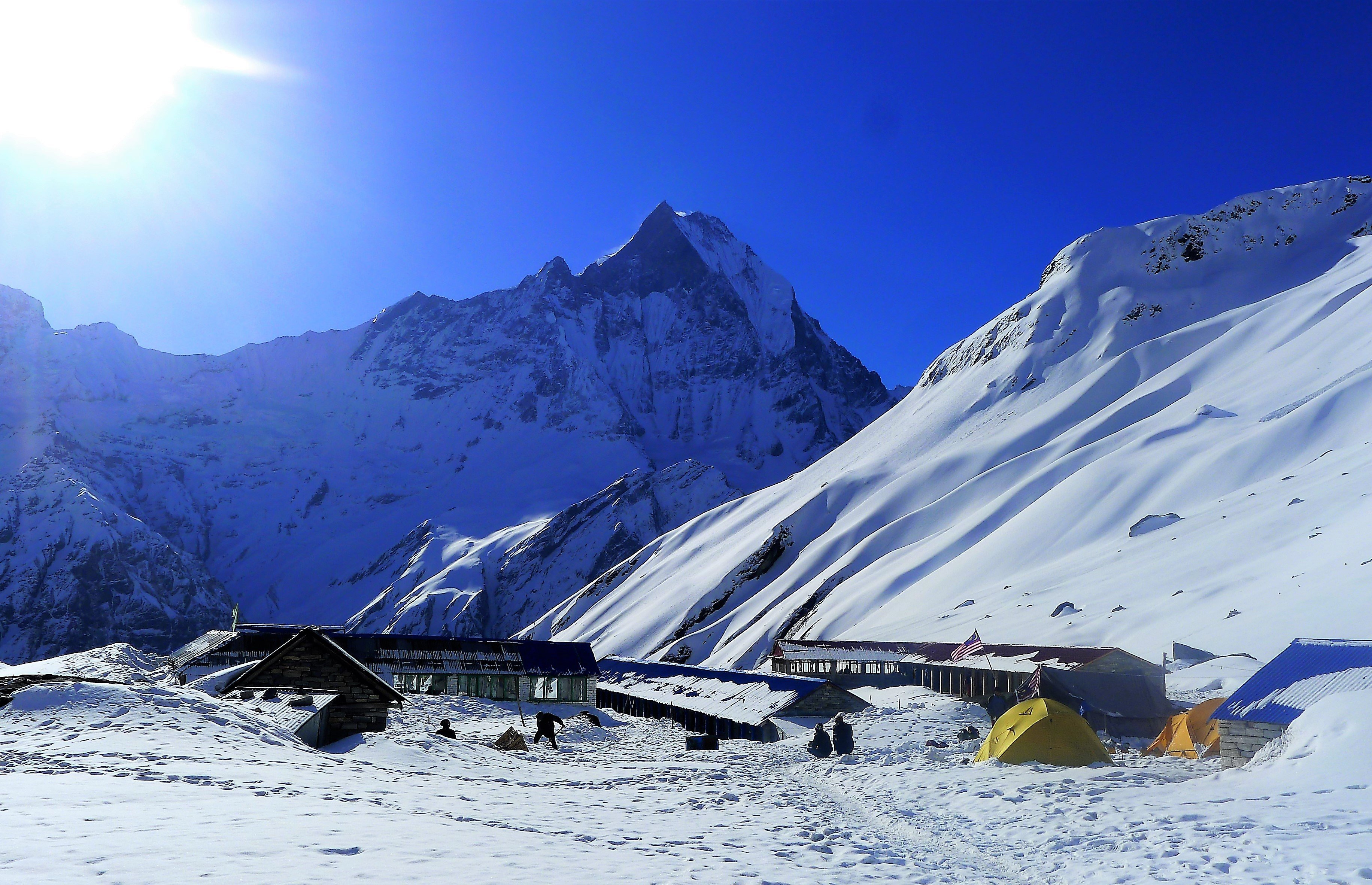
Everest Three Pass Treks - 18 Days
Nepal - Trekking Tours
Tour Itinerary
Everest Three Passes Trek – 18 Days
Complete Everest Three Passes Trek Overview
The Everest Three Passes Trek is one of the most challenging and rewarding trekking adventures in the Everest region of Nepal. This spectacular journey takes you deep into the heart of the Khumbu Himalayas, crossing three legendary high mountain passes—Kongma La (5,535 m), Cho La (5,420 m), and Renjo La (5,360 m).
Unlike the classic Everest Base Camp Trek, the Three Passes route combines high-altitude mountain passes, traditional Sherpa villages, ancient monasteries, glacial valleys, turquoise Gokyo Lakes, Everest Base Camp, Kala Patthar, and some of the finest panoramic viewpoints in the Everest region.
The trek begins with a scenic flight from Kathmandu to Lukla before following the Dudh Koshi Valley toward Namche Bazaar. After acclimatization, the trail climbs through Tengboche, Pangboche, Dingboche, and Chhukung before reaching the first major challenge, Kongma La Pass.
From Lobuche, the route continues to Everest Base Camp and Kala Patthar before crossing Cho La into the beautiful Gokyo Valley. After climbing Gokyo Ri, the trail crosses the final pass, Renjo La, and descends through the remote Thame Valley before returning to Namche Bazaar and Lukla.
With proper preparation, an experienced guide, and gradual acclimatization, the Everest Three Passes Trek offers an unforgettable combination of adventure, Himalayan scenery, Sherpa culture, and high-altitude trekking.
Everest Three Passes Trek Highlights
Cross Kongma La Pass – 5,535 m
Cross Cho La Pass – 5,420 m
Cross Renjo La Pass – 5,360 m
Visit Everest Base Camp – 5,364 m
Sunrise from Kala Patthar – 5,545 m
Hike to Chhukung Ri – 5,546 m
Hike to Gokyo Ri – 5,357 m
Explore the beautiful Gokyo Lakes
Walk alongside glaciers and high-altitude moraines
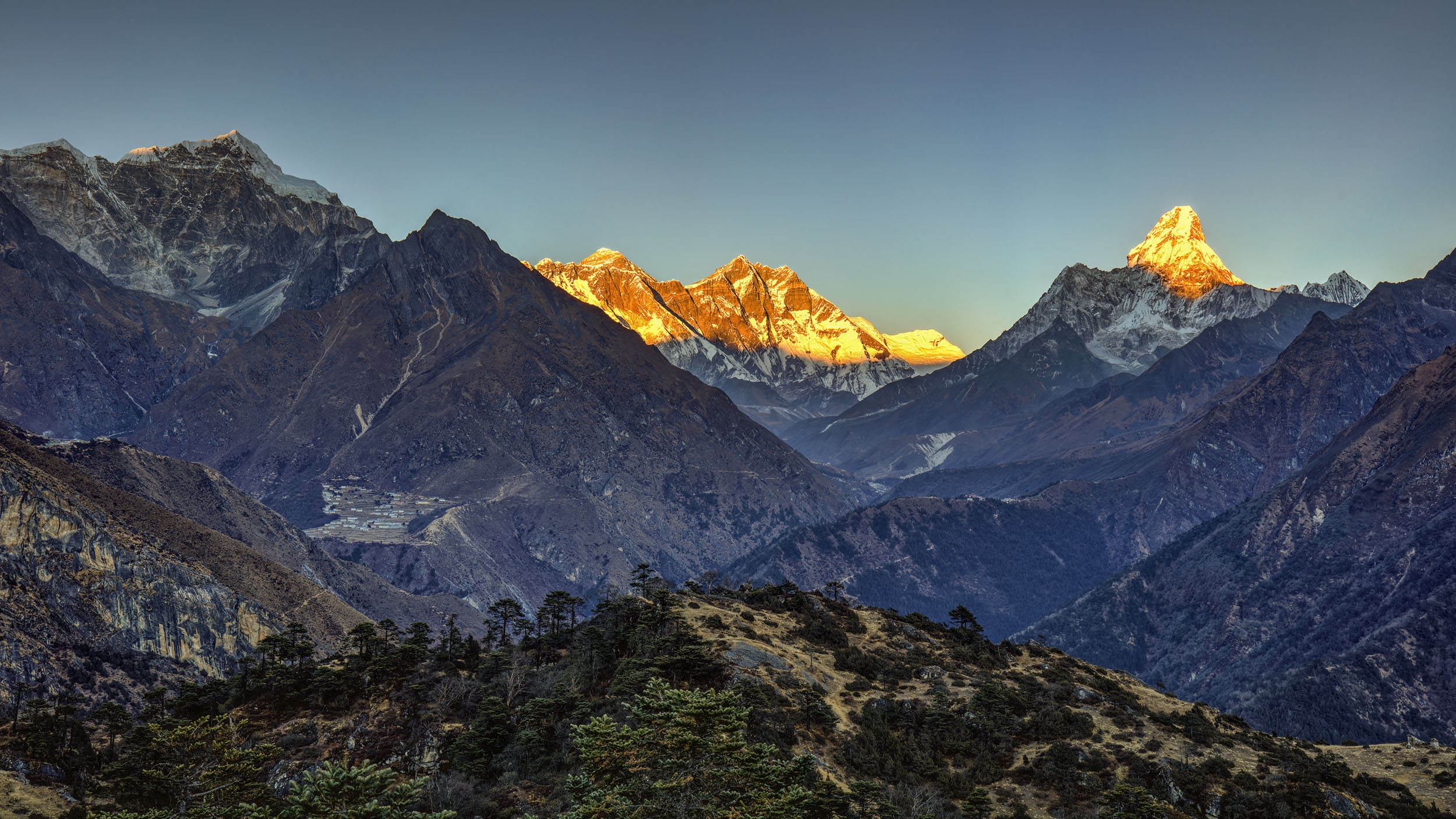
Experience spectacular views of Everest, Lhotse, Nuptse, Ama Dablam, Makalu, Cho Oyu and other Himalayan peaks
Visit Tengboche Monastery
Explore traditional Sherpa villages including Namche Bazaar, Pangboche, Thame and Lungden
Experience the remote and less-traveled valleys of the Everest region
Enjoy scenic flights between Kathmandu and Lukla
Trek through Sagarmatha National Park
Everest Three Passes Trek Itinerary – 18 Days
Day 1: Arrival in Kathmandu – 1,400 m
Upon arrival at Tribhuvan International Airport in Kathmandu, our representative will welcome you and transfer you to your hotel in Thamel.
After check-in and some rest, you will attend a pre-trek briefing with your guide. Your guide will explain the trekking route, accommodation, meals, safety procedures, permits, equipment and upcoming high-altitude sections.
You will also have time to check your trekking equipment and make any last-minute preparations for the journey.
Accommodation: 3-Star Hotel
Meals: Breakfast
Maximum Elevation: 1,400 m
Day 2: Fly Kathmandu to Lukla – 2,860 m; Trek to Phakding – 2,610 m
After an early morning transfer to the airport, take a scenic flight from Kathmandu to Lukla. The flight takes approximately 35 minutes and provides spectacular views of Nepal's hills and Himalayan peaks.
After landing at Lukla, meet the trekking support team and begin walking toward Phakding. The trail follows the Dudh Koshi River through pine forests and traditional mountain settlements.
After approximately 3–4 hours of trekking, reach Phakding and check into your teahouse.
Trekking Distance: Approximately 8 km
Trekking Time: 3–4 hours
Accommodation: Teahouse/Lodge
Meals: Breakfast, Lunch & Dinner
Maximum Elevation: 2,860 m
Day 3: Phakding to Namche Bazaar – 3,440 m
Today you trek deeper into the Khumbu region. The trail follows the Dudh Koshi River and passes through forests, small Sherpa villages, prayer wheels, mani walls and several suspension bridges.
After entering Sagarmatha National Park, the trail gradually becomes steeper as you approach Namche Bazaar. The final climb follows a series of switchbacks before reaching the famous Sherpa trading town.
Namche Bazaar is an important acclimatization center and one of the most vibrant settlements in the Everest region.
Distance: Approximately 10 km
Trekking Time: 6–7 hours
Accommodation: Teahouse
Meals: Breakfast, Lunch & Dinner
Maximum Elevation: 3,440 m
Day 4: Acclimatization Day in Namche Bazaar – 3,440 m
Today is an important acclimatization day.
Rather than remaining completely inactive, you will take a short hike toward the Everest View Hotel, located at approximately 3,880 m. From the viewpoint, you can enjoy magnificent views of Everest, Lhotse, Ama Dablam and surrounding peaks.
After returning to Namche, you can explore the town, visit the Sherpa Museum and enjoy the local atmosphere.
Your guide will also check your equipment and discuss the upcoming high-altitude sections.
Hiking Time: Approximately 2–4 hours
Accommodation: Teahouse/Lodge
Meals: Breakfast, Lunch & Dinner
Maximum Elevation: 3,880 m
Day 5: Namche Bazaar to Tengboche and Pangboche – 3,985 m
The trail leaves Namche and follows a scenic ridge with excellent views of Everest, Ama Dablam, Lhotse and Thamserku.
You descend toward the Dudh Koshi River before climbing through beautiful forests toward Tengboche. Here you can visit Tengboche Monastery, one of the most important Buddhist monasteries in the Khumbu region.
After spending time in Tengboche, continue toward Pangboche through the Imja Valley.
Trekking Time: Approximately 5–6 hours
Accommodation: Lodge
Meals: Breakfast, Lunch & Dinner
Maximum Elevation: 3,985 m
Day 6: Pangboche to Dingboche and Chhukung – 4,730 m
Today the trail enters the higher Imja Valley. The landscape gradually changes as you leave the tree line behind.
Walk through traditional villages, yak pastures and stone-walled fields before reaching Dingboche. After a break, continue toward Chhukung, surrounded by spectacular Himalayan peaks.
Ama Dablam dominates the landscape, while the valley opens toward the Lhotse and Imja Glacier areas.
Trekking Time: Approximately 5–6 hours
Distance: Approximately 10 km
Accommodation: Lodge
Meals: Breakfast, Lunch & Dinner
Maximum Elevation: 4,730 m
Day 7: Acclimatization Day in Chhukung – Hike to Chhukung Ri
Today is another important acclimatization day before crossing Kongma La.
Depending on weather and your condition, hike toward Chhukung Ri, reaching approximately 5,546 m. The climb provides incredible views of Ama Dablam, Lhotse, Nuptse, Makalu and surrounding peaks.
After enjoying the mountain panorama, descend back to Chhukung for rest and preparation for the first high pass.
Hiking Time: Approximately 4–5 hours
Accommodation: Lodge
Meals: Breakfast, Lunch & Dinner
Maximum Elevation: 5,546 m
Day 8: Chhukung to Lobuche via Kongma La Pass – 5,535 m
Today is one of the most demanding days of the trek.
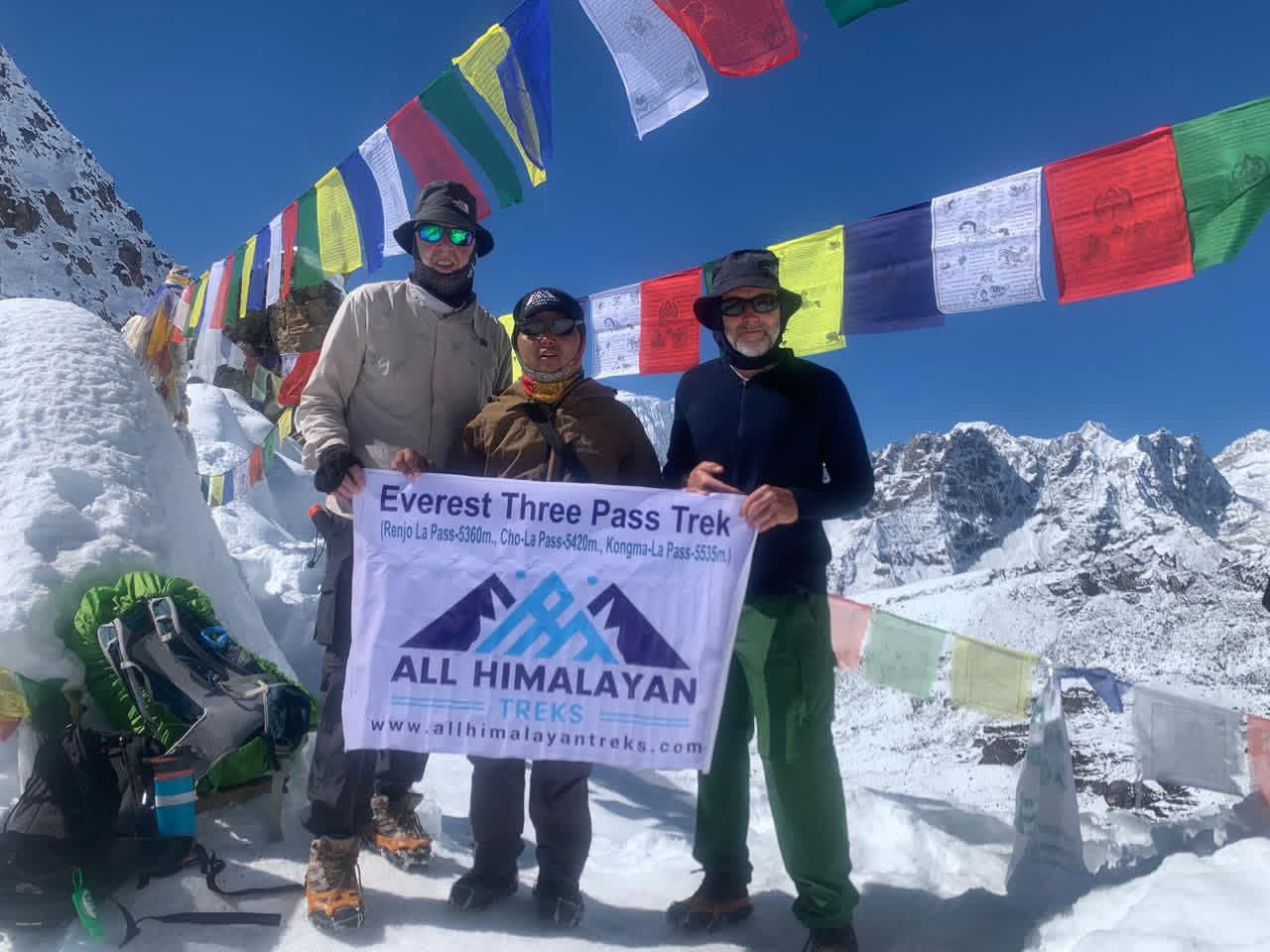
Start early and climb toward Kongma La Pass, the highest of the three passes. The route crosses rugged glacial terrain and steep sections before reaching the prayer-flag-covered pass at approximately 5,535 m.
From the top, enjoy breathtaking views across the Everest region before beginning the descent toward Lobuche.
The trail eventually joins the Khumbu Glacier area before reaching Lobuche.
Distance: Approximately 10 km
Trekking Time: 7–8 hours
Accommodation: Lodge
Meals: Breakfast, Lunch & Dinner
Maximum Elevation: 5,535 m
Day 9: Lobuche to Gorakshep and Everest Base Camp – 5,364 m
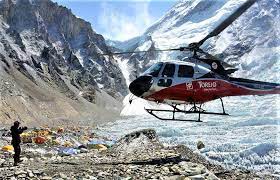
Today you finally reach one of the main goals of the journey—Everest Base Camp.
Trek from Lobuche toward Gorakshep through the rugged Khumbu Glacier landscape. After a short break at Gorakshep, continue toward Everest Base Camp.
At Base Camp, enjoy the spectacular surrounding glacier and mountain scenery and take photographs before returning to Gorakshep for the night.
Distance: Approximately 13 km
Trekking Time: 7–8 hours
Accommodation: Teahouse
Meals: Breakfast, Lunch & Dinner
Maximum Elevation: 5,364 m
Day 10: Kala Patthar Sunrise – 5,545 m; Trek to Dzongla – 4,830 m
Wake early for the climb to Kala Patthar, one of the finest viewpoints in the Everest region.
The early morning ascent rewards you with spectacular views of Everest, Nuptse, Lhotse and surrounding peaks as the first sunlight reaches the mountains.
After descending to Gorakshep, continue toward Dzongla. The trail passes through rugged high-altitude terrain and offers magnificent views of the Khumbu Glacier and surrounding peaks.
Trekking Time: Approximately 6–7 hours
Accommodation: Lodge
Meals: Breakfast, Lunch & Dinner
Maximum Elevation: 5,545 m
Day 11: Dzongla to Thaknak via Cho La Pass – 5,420 m
Today you cross the second major pass of the trek—Cho La Pass.
Start early from Dzongla and ascend through rocky and glacial terrain toward the pass. Depending on weather and trail conditions, snow and ice may make this section more challenging.
From the top of Cho La, enjoy spectacular views of the surrounding Himalayan peaks before descending toward Thaknak.
Distance: Approximately 7 km
Trekking Time: Approximately 7 hours
Accommodation: Lodge
Meals: Breakfast, Lunch & Dinner
Maximum Elevation: 5,420 m
Day 12: Thaknak to Gokyo – 4,790 m
After the challenging Cho La crossing, today's trek is comparatively shorter.
Follow the trail through glacial terrain toward the beautiful Gokyo Valley. As you approach Gokyo, the turquoise waters of the glacial lakes come into view.
Gokyo is situated beside the third lake, Dudh Pokhari, and is surrounded by spectacular mountain scenery.
Spend the afternoon relaxing and enjoying the peaceful Himalayan environment.
Distance: Approximately 6 km
Trekking Time: Approximately 3 hours
Accommodation: Lodge
Meals: Breakfast, Lunch & Dinner
Maximum Elevation: 4,790 m
Day 13: Acclimatization Day in Gokyo – Hike to Gokyo Ri
Today you climb Gokyo Ri, one of the most famous viewpoints in the Everest region.
An early morning start allows you to reach the viewpoint around sunrise. From the summit, enjoy panoramic views of Everest, Cho Oyu, Makalu, Lhotse and the surrounding Himalayan ranges.
The turquoise Gokyo Lakes and Ngozumpa Glacier spread below you.
After enjoying the views, descend to Gokyo for breakfast and rest.
Hiking Time: Approximately 5–6 hours round trip
Accommodation: Lodge
Meals: Breakfast, Lunch & Dinner
Maximum Elevation: 5,357 m
Day 14: Gokyo to Lungden via Renjo La Pass – 5,360 m
Today you cross the final and third major pass—Renjo La Pass.
Start early and ascend from Gokyo toward Renjo La. As you approach the pass, the trail becomes steeper and more rugged.
From the summit, enjoy magnificent views of the Everest region and the Gokyo Lakes below. The route then descends toward Lungden through a remote Himalayan valley.
Distance: Approximately 10 km
Trekking Time: 7–8 hours
Accommodation: Lodge
Meals: Breakfast, Lunch & Dinner
Maximum Elevation: 5,360 m
Day 15: Lungden to Thame and Namche Bazaar – 3,440 m
Today the route follows the historic Bhote Koshi Valley toward Thame.
Thame is a traditional Sherpa settlement with strong links to Himalayan mountaineering history. After exploring the village, continue toward Namche Bazaar.
The trail gradually descends through forests and mountain villages before reaching Namche.
Distance: Approximately 19 km
Trekking Time: Approximately 7 hours
Accommodation: Lodge
Meals: Breakfast, Lunch & Dinner
Maximum Elevation: 4,380 m
Day 16: Namche Bazaar to Lukla – 2,860 m
Today marks the final full day of trekking.
Descend from Namche along the Dudh Koshi River, crossing suspension bridges and passing through familiar villages such as Phakding and surrounding settlements.
After several hours of walking, reach Lukla and check into your lodge.
Enjoy your final evening in the Everest region with your trekking team.
Distance: Approximately 19 km
Trekking Time: 6–7 hours
Accommodation: Lodge
Meals: Breakfast, Lunch & Dinner
Maximum Elevation: 2,860 m
Day 17: Fly Lukla to Kathmandu – 1,400 m
After breakfast, take your return flight from Lukla to Kathmandu.
The scenic flight takes approximately 35 minutes, depending on weather and flight conditions.
Upon arrival in Kathmandu, transfer to your hotel. The rest of the day is free to relax, explore Thamel or do some last-minute shopping.
In the evening, enjoy a farewell dinner with the All Himalayan Treks team.
Flight Time: Approximately 35 minutes
Accommodation: 3-Star Hotel
Meals: Breakfast
Maximum Elevation: 1,400 m
Day 18: Departure from Kathmandu
Your Everest Three Passes adventure comes to an end today.
Our representative will transfer you to Tribhuvan International Airport according to your international flight schedule.
We hope you leave Nepal with unforgettable memories of the Everest region, its mountains, people, culture and spectacular trails.
Meals: Breakfast
Everest Three Passes Trek Cost
The current All Himalayan Treks website lists the following group-based prices:
Group Size Price Per Person
1 Person USD 1,820
2–3 People USD 1,550
4–6 People USD 1,495
12–20 People USD 1,350
The website currently displays a promotional starting price of USD 1,395, so the exact price should be confirmed with All Himalayan Treks before booking.
Group discounts are available.
Cost Includes
The Everest Three Passes Trek package includes:
Airport pickup and drop-off by private vehicle
Two nights accommodation in Kathmandu at a 3-star hotel
Breakfast during your stay in Kathmandu
Kathmandu–Lukla–Kathmandu flights
Experienced English-speaking trekking guide
Guide's salary, accommodation, meals and expenses
16 nights accommodation in local teahouses during the trek
Breakfast, lunch and dinner during the trekking period
Sagarmatha National Park entry fee
Khumbu Pasang Lhamu Rural Municipality fee
One porter for every two trekkers
Assistant guide for groups of 6 or more
Porter accommodation, meals and expenses
Trekking snacks such as energy bars, crackers and cookies
Seasonal fresh fruit dessert after dinner
Trek completion certificate
Farewell dinner at a typical Nepali restaurant
Traditional Nepali cultural music and dance during farewell dinner
Complimentary All Himalayan Treks T-shirt
Trekking route map
Duffel bag if required
Sleeping bag
Down jacket
Pulse oximeter for monitoring oxygen saturation
Comprehensive first-aid kit carried by the guide
Emergency rescue assistance in case of serious health emergencies, subject to travel insurance coverage
Government taxes
Company service charges
These inclusions are based on the current package information published by All Himalayan Treks.
Cost Excludes
The following expenses are not included:
International airfare
Nepal entry visa
Travel insurance
Emergency helicopter evacuation costs not covered by insurance
Food and drinks in Kathmandu except the included breakfast/farewell dinner
Kathmandu sightseeing entrance fees
Personal expenses
Hot showers
Hot water
Internet/Wi-Fi charges
Charging/electricity fees
Bar bills and alcoholic beverages
Personal trekking equipment
Tips for guides, porters and support staff
Any service not specifically mentioned under the included section
The current website lists Nepal visa fees as USD 30 for 15 days, USD 50 for 30 days and USD 125 for 90 days; travelers should verify current visa fees before arrival.
Everest Three Passes Trek Difficulty
The Everest Three Passes Trek is considered a challenging high-altitude trek.
The route involves:
Long days of walking
Steep ascents and descents
Rocky and uneven trails
Glacial and moraine terrain
Three passes above 5,300 m
Several nights above 4,000 m
Cold and changing mountain weather
High altitude and reduced oxygen availability
The highest points of the itinerary include Kongma La at approximately 5,535 m, Cho La at approximately 5,420 m, Renjo La at approximately 5,360 m, Kala Patthar at approximately 5,545 m, and Chhukung Ri at approximately 5,546 m.
Because of the altitude and demanding terrain, this trek is best suited to people who are physically prepared for sustained mountain walking.
Best Time for Everest Three Passes Trek
The best seasons for the Everest Three Passes Trek are generally:
Spring – March to May
Spring brings relatively stable weather, clear mountain views and warmer daytime conditions. Rhododendrons also bloom in lower parts of the region.
Autumn – September to November
Autumn is one of the most popular trekking seasons in Nepal. The weather is generally stable, visibility is often excellent and the mountain scenery is spectacular.
Winter – December to February
Winter brings colder temperatures and increased chances of snow and difficult pass conditions. The Three Passes route can become considerably more challenging during this period.
Monsoon – June to August
Heavy rainfall affects lower sections of the route, while cloud and weather conditions can also disrupt flights to and from Lukla.
For the best combination of weather, trail conditions and mountain visibility, spring and autumn are generally recommended. The current All Himalayan Treks page lists March–May and September–November as its best seasons.
Required Permits
The Everest Three Passes Trek passes through Sagarmatha National Park and the Khumbu region.
The package currently includes:
Sagarmatha National Park Entry Permit
Khumbu Pasang Lhamu Rural Municipality fee
A TIMS card or other applicable trekking documentation may also be required depending on the current rules and trekking arrangement. Permit requirements can change, so your trekking agency should confirm the latest requirements before departure.
All Himalayan Treks assists with the required trekking documentation before the trek.
Accommodation
Accommodation during the trek is primarily in local mountain teahouses and lodges.
Rooms are generally twin-sharing and basic, particularly at higher elevations. Facilities become more limited as you move deeper into the high Himalayas.
The package includes:
2 nights in a 3-star Kathmandu hotel
16 nights in local teahouses/lodges during the trek
Hot showers, Wi-Fi, charging and other additional lodge services may cost extra.
Meals During the Trek
The package includes breakfast, lunch and dinner during the trekking portion.
Typical teahouse meals may include:
Dal bhat
Noodles
Rice
Pasta
Soups
Tibetan bread
Momos
Potatoes
Eggs
Porridge
Pancakes
Seasonal vegetables
Tea and other hot drinks
At higher elevations, food choices can become more limited, so maintaining good hydration and eating enough energy-rich food is important.
Guide and Porter Support
The trek is operated with an experienced English-speaking guide.
The guide assists with:
Route navigation
Trekking arrangements
Accommodation coordination
Permit checks
Daily itinerary management
Basic first aid
Altitude monitoring
Communication with the trekking team
Emergency coordination
The package provides one porter for every two trekkers, while groups of six or more receive an assistant guide according to the published package information.
Trek Preparation
Good preparation is important because the Everest Three Passes Trek involves long trekking days and very high elevations.
Before arriving in Nepal, focus on:
Regular walking and hiking
Cardiovascular fitness
Leg and core strength
Gradually increasing hiking duration
Training with a backpack
Comfortable, broken-in hiking boots
Learning how to pace yourself at altitude
Staying hydrated
Preparing suitable cold-weather clothing
You should discuss any medical concerns or altitude-related issues with a qualified healthcare professional before undertaking a high-altitude trek.
Recommended Trekking Equipment
Clothing
Thermal base layers
Moisture-wicking shirts
Fleece jacket
Warm down or synthetic jacket
Waterproof/windproof jacket
Waterproof trekking pants
Trekking trousers
Warm hat
Sun hat
Buff or neck gaiter
Footwear
Waterproof trekking boots
Trekking socks
Camp shoes or sandals
Gaiters if required
Trekking Gear
30–40 liter backpack/daypack
Duffel bag
Sleeping bag
Trekking poles
Water bottles or hydration system
Sunglasses
Headlamp
Power bank
Camera and spare batteries
Personal Items
Sunscreen
Lip balm with SPF
Toiletries
Quick-dry towel
Wet wipes
Hand sanitizer
Personal medication
Basic first-aid supplies
Snacks
Passport and copies
Travel insurance documents
Emergency contact information
The current All Himalayan Treks equipment list recommends warm layers, waterproof clothing, trekking boots, sleeping equipment, trekking poles, UV-protection sunglasses, headlamp, hydration equipment and personal medical supplies.
Altitude and Safety
Altitude is one of the most important considerations on the Everest Three Passes Trek.
The itinerary includes acclimatization days in Namche Bazaar, Chhukung and Gokyo, allowing trekkers to gradually adapt before attempting the high passes.
Your guide will monitor your condition throughout the trek. If you experience symptoms of altitude illness or feel seriously unwell, inform your guide immediately.
The trek should always be approached with patience. Walking slowly, staying hydrated, eating properly and following your guide's instructions are important at high altitude.
Travel insurance with appropriate trekking and emergency evacuation coverage is strongly recommended.
Why Trek the Everest Three Passes with All Himalayan Treks?
The Everest Three Passes Trek is more than a visit to Everest Base Camp. It is a complete journey through the high Himalayas.
With All Himalayan Treks, you receive:
Experienced local trekking guides
Organized permits and logistics
Domestic flight arrangements
Teahouse accommodation
Meals during the trek
Porter support
Acclimatization days
Trekking equipment support
First-aid assistance
Oxygen monitoring
Emergency coordination
Flexible booking options
Group discounts
The company currently states that trekking dates can be changed free of charge before 30 days of departure, subject to its booking policy.
Everest Three Passes Trek Route
Kathmandu → Lukla → Phakding → Namche Bazaar → Tengboche → Pangboche → Dingboche → Chhukung → Kongma La → Lobuche → Gorakshep → Everest Base Camp → Kala Patthar → Dzongla → Cho La → Thaknak → Gokyo → Gokyo Ri → Renjo La → Lungden → Thame → Namche Bazaar → Lukla → Kathmandu
This route combines the three major passes with Everest Base Camp, Kala Patthar and Gokyo Valley.
Frequently Asked Questions
1. How difficult is the Everest Three Passes Trek?
It is a challenging high-altitude trek. The three passes are all above 5,300 m, and several trekking days involve long distances, steep climbs and rugged terrain.
2. Do I need previous trekking experience?
Previous high-altitude trekking experience is strongly helpful. Anyone considering this route should be physically prepared for long trekking days and should take altitude acclimatization seriously.
3. What is the highest point of the trek?
The itinerary reaches approximately 5,546 m at Chhukung Ri, while the highest of the three passes is Kongma La at approximately 5,535 m. Kala Patthar is also listed at approximately 5,545 m.
4. What are the three passes?
The three major passes are:
Kongma La – approximately 5,535 m
Cho La – approximately 5,420 m
Renjo La – approximately 5,360 m
5. Does the trek include Everest Base Camp?
Yes. Everest Base Camp is included on Day 9.
6. Does the trek include Kala Patthar?
Yes. The itinerary includes an early-morning hike to Kala Patthar on Day 10.
7. Does the trek include Gokyo Lakes?
Yes. The route passes through the Gokyo Valley and includes time at Gokyo Lakes.
8. Does the trek include Gokyo Ri?
Yes. Gokyo Ri is included as an acclimatization/viewpoint hike on Day 13.
9. Are meals included?
Yes. Breakfast, lunch and dinner are included during the trekking portion of the package.
10. Is accommodation included?
Yes. The package includes two nights in Kathmandu and 16 nights in teahouses/lodges during the trek.
11. Are flights to Lukla included?
Yes. The package includes Kathmandu–Lukla and Lukla–Kathmandu flights.
12. Are permits included?
The package includes the Sagarmatha National Park entry fee and Khumbu Pasang Lhamu Rural Municipality fee. Current permit requirements should be confirmed before departure.
13. Is a porter included?
Yes. The package includes one porter for every two trekkers.
14. What happens if the weather delays the Lukla flight?
Lukla flights are weather-dependent. Flight delays can occur, so it is wise to keep some flexibility in your overall Nepal travel schedule and discuss contingency arrangements with your trekking agency.
15. Can the itinerary be customized?
Yes. All Himalayan Treks provides a Plan My Trip option and can discuss customized arrangements according to your schedule, experience and preferences.
Book Your Everest Three Passes Trek
The Everest Three Passes Trek is an extraordinary Himalayan adventure combining three high passes, Everest Base Camp, Kala Patthar, Gokyo Lakes, Gokyo Ri, remote valleys and traditional Sherpa communities.
If you are looking for a challenging alternative to the classic Everest Base Camp route, the Three Passes Trek offers a more comprehensive experience of the Everest region.
Plan your Everest Three Passes adventure with All Himalayan Treks and experience the Himalayas beyond the classic trail.
Complete Everest Three Passes Trek Overview
The Everest Three Passes Trek is one of the most challenging and rewarding trekking adventures in the Everest region of Nepal. This spectacular journey takes you deep into the heart of the Khumbu Himalayas, crossing three legendary high mountain passes—Kongma La (5,535 m), Cho La (5,420 m), and Renjo La (5,360 m).
Unlike the classic Everest Base Camp Trek, the Three Passes route combines high-altitude mountain passes, traditional Sherpa villages, ancient monasteries, glacial valleys, turquoise Gokyo Lakes, Everest Base Camp, Kala Patthar, and some of the finest panoramic viewpoints in the Everest region.
The trek begins with a scenic flight from Kathmandu to Lukla before following the Dudh Koshi Valley toward Namche Bazaar. After acclimatization, the trail climbs through Tengboche, Pangboche, Dingboche, and Chhukung before reaching the first major challenge, Kongma La Pass.
From Lobuche, the route continues to Everest Base Camp and Kala Patthar before crossing Cho La into the beautiful Gokyo Valley. After climbing Gokyo Ri, the trail crosses the final pass, Renjo La, and descends through the remote Thame Valley before returning to Namche Bazaar and Lukla.
With proper preparation, an experienced guide, and gradual acclimatization, the Everest Three Passes Trek offers an unforgettable combination of adventure, Himalayan scenery, Sherpa culture, and high-altitude trekking.
Everest Three Passes Trek Highlights
Cross Kongma La Pass – 5,535 m
Cross Cho La Pass – 5,420 m
Cross Renjo La Pass – 5,360 m
Visit Everest Base Camp – 5,364 m
Sunrise from Kala Patthar – 5,545 m
Hike to Chhukung Ri – 5,546 m
Hike to Gokyo Ri – 5,357 m
Explore the beautiful Gokyo Lakes
Walk alongside glaciers and high-altitude moraines
Experience spectacular views of Everest, Lhotse, Nuptse, Ama Dablam, Makalu, Cho Oyu and other Himalayan peaks
Visit Tengboche Monastery
Explore traditional Sherpa villages including Namche Bazaar, Pangboche, Thame and Lungden
Experience the remote and less-traveled valleys of the Everest region
Enjoy scenic flights between Kathmandu and Lukla
Trek through Sagarmatha National Park
Everest Three Passes Trek Itinerary – 18 Days
Day 1: Arrival in Kathmandu – 1,400 m
Upon arrival at Tribhuvan International Airport in Kathmandu, our representative will welcome you and transfer you to your hotel in Thamel.
After check-in and some rest, you will attend a pre-trek briefing with your guide. Your guide will explain the trekking route, accommodation, meals, safety procedures, permits, equipment and upcoming high-altitude sections.
You will also have time to check your trekking equipment and make any last-minute preparations for the journey.
Accommodation: 3-Star Hotel
Meals: Breakfast
Maximum Elevation: 1,400 m
Day 2: Fly Kathmandu to Lukla – 2,860 m; Trek to Phakding – 2,610 m
After an early morning transfer to the airport, take a scenic flight from Kathmandu to Lukla. The flight takes approximately 35 minutes and provides spectacular views of Nepal's hills and Himalayan peaks.
After landing at Lukla, meet the trekking support team and begin walking toward Phakding. The trail follows the Dudh Koshi River through pine forests and traditional mountain settlements.
After approximately 3–4 hours of trekking, reach Phakding and check into your teahouse.
Trekking Distance: Approximately 8 km
Trekking Time: 3–4 hours
Accommodation: Teahouse/Lodge
Meals: Breakfast, Lunch & Dinner
Maximum Elevation: 2,860 m
Day 3: Phakding to Namche Bazaar – 3,440 m
Today you trek deeper into the Khumbu region. The trail follows the Dudh Koshi River and passes through forests, small Sherpa villages, prayer wheels, mani walls and several suspension bridges.
After entering Sagarmatha National Park, the trail gradually becomes steeper as you approach Namche Bazaar. The final climb follows a series of switchbacks before reaching the famous Sherpa trading town.
Namche Bazaar is an important acclimatization center and one of the most vibrant settlements in the Everest region.
Distance: Approximately 10 km
Trekking Time: 6–7 hours
Accommodation: Teahouse
Meals: Breakfast, Lunch & Dinner
Maximum Elevation: 3,440 m
Day 4: Acclimatization Day in Namche Bazaar – 3,440 m
Today is an important acclimatization day.
Rather than remaining completely inactive, you will take a short hike toward the Everest View Hotel, located at approximately 3,880 m. From the viewpoint, you can enjoy magnificent views of Everest, Lhotse, Ama Dablam and surrounding peaks.
After returning to Namche, you can explore the town, visit the Sherpa Museum and enjoy the local atmosphere.
Your guide will also check your equipment and discuss the upcoming high-altitude sections.
Hiking Time: Approximately 2–4 hours
Accommodation: Teahouse/Lodge
Meals: Breakfast, Lunch & Dinner
Maximum Elevation: 3,880 m
Day 5: Namche Bazaar to Tengboche and Pangboche – 3,985 m
The trail leaves Namche and follows a scenic ridge with excellent views of Everest, Ama Dablam, Lhotse and Thamserku.
You descend toward the Dudh Koshi River before climbing through beautiful forests toward Tengboche. Here you can visit Tengboche Monastery, one of the most important Buddhist monasteries in the Khumbu region.
After spending time in Tengboche, continue toward Pangboche through the Imja Valley.
Trekking Time: Approximately 5–6 hours
Accommodation: Lodge
Meals: Breakfast, Lunch & Dinner
Maximum Elevation: 3,985 m
Day 6: Pangboche to Dingboche and Chhukung – 4,730 m
Today the trail enters the higher Imja Valley. The landscape gradually changes as you leave the tree line behind.
Walk through traditional villages, yak pastures and stone-walled fields before reaching Dingboche. After a break, continue toward Chhukung, surrounded by spectacular Himalayan peaks.
Ama Dablam dominates the landscape, while the valley opens toward the Lhotse and Imja Glacier areas.
Trekking Time: Approximately 5–6 hours
Distance: Approximately 10 km
Accommodation: Lodge
Meals: Breakfast, Lunch & Dinner
Maximum Elevation: 4,730 m
Day 7: Acclimatization Day in Chhukung – Hike to Chhukung Ri
Today is another important acclimatization day before crossing Kongma La.
Depending on weather and your condition, hike toward Chhukung Ri, reaching approximately 5,546 m. The climb provides incredible views of Ama Dablam, Lhotse, Nuptse, Makalu and surrounding peaks.
After enjoying the mountain panorama, descend back to Chhukung for rest and preparation for the first high pass.
Hiking Time: Approximately 4–5 hours
Accommodation: Lodge
Meals: Breakfast, Lunch & Dinner
Maximum Elevation: 5,546 m
Day 8: Chhukung to Lobuche via Kongma La Pass – 5,535 m
Today is one of the most demanding days of the trek.
Start early and climb toward Kongma La Pass, the highest of the three passes. The route crosses rugged glacial terrain and steep sections before reaching the prayer-flag-covered pass at approximately 5,535 m.
From the top, enjoy breathtaking views across the Everest region before beginning the descent toward Lobuche.
The trail eventually joins the Khumbu Glacier area before reaching Lobuche.
Distance: Approximately 10 km
Trekking Time: 7–8 hours
Accommodation: Lodge
Meals: Breakfast, Lunch & Dinner
Maximum Elevation: 5,535 m
Day 9: Lobuche to Gorakshep and Everest Base Camp – 5,364 m
Today you finally reach one of the main goals of the journey—Everest Base Camp.
Trek from Lobuche toward Gorakshep through the rugged Khumbu Glacier landscape. After a short break at Gorakshep, continue toward Everest Base Camp.
At Base Camp, enjoy the spectacular surrounding glacier and mountain scenery and take photographs before returning to Gorakshep for the night.
Distance: Approximately 13 km
Trekking Time: 7–8 hours
Accommodation: Teahouse
Meals: Breakfast, Lunch & Dinner
Maximum Elevation: 5,364 m
Day 10: Kala Patthar Sunrise – 5,545 m; Trek to Dzongla – 4,830 m
Wake early for the climb to Kala Patthar, one of the finest viewpoints in the Everest region.
The early morning ascent rewards you with spectacular views of Everest, Nuptse, Lhotse and surrounding peaks as the first sunlight reaches the mountains.
After descending to Gorakshep, continue toward Dzongla. The trail passes through rugged high-altitude terrain and offers magnificent views of the Khumbu Glacier and surrounding peaks.
Trekking Time: Approximately 6–7 hours
Accommodation: Lodge
Meals: Breakfast, Lunch & Dinner
Maximum Elevation: 5,545 m
Day 11: Dzongla to Thaknak via Cho La Pass – 5,420 m
Today you cross the second major pass of the trek—Cho La Pass.
Start early from Dzongla and ascend through rocky and glacial terrain toward the pass. Depending on weather and trail conditions, snow and ice may make this section more challenging.
From the top of Cho La, enjoy spectacular views of the surrounding Himalayan peaks before descending toward Thaknak.
Distance: Approximately 7 km
Trekking Time: Approximately 7 hours
Accommodation: Lodge
Meals: Breakfast, Lunch & Dinner
Maximum Elevation: 5,420 m
Day 12: Thaknak to Gokyo – 4,790 m
After the challenging Cho La crossing, today's trek is comparatively shorter.
Follow the trail through glacial terrain toward the beautiful Gokyo Valley. As you approach Gokyo, the turquoise waters of the glacial lakes come into view.
Gokyo is situated beside the third lake, Dudh Pokhari, and is surrounded by spectacular mountain scenery.
Spend the afternoon relaxing and enjoying the peaceful Himalayan environment.
Distance: Approximately 6 km
Trekking Time: Approximately 3 hours
Accommodation: Lodge
Meals: Breakfast, Lunch & Dinner
Maximum Elevation: 4,790 m
Day 13: Acclimatization Day in Gokyo – Hike to Gokyo Ri
Today you climb Gokyo Ri, one of the most famous viewpoints in the Everest region.
An early morning start allows you to reach the viewpoint around sunrise. From the summit, enjoy panoramic views of Everest, Cho Oyu, Makalu, Lhotse and the surrounding Himalayan ranges.
The turquoise Gokyo Lakes and Ngozumpa Glacier spread below you.
After enjoying the views, descend to Gokyo for breakfast and rest.
Hiking Time: Approximately 5–6 hours round trip
Accommodation: Lodge
Meals: Breakfast, Lunch & Dinner
Maximum Elevation: 5,357 m
Day 14: Gokyo to Lungden via Renjo La Pass – 5,360 m
Today you cross the final and third major pass—Renjo La Pass.
Start early and ascend from Gokyo toward Renjo La. As you approach the pass, the trail becomes steeper and more rugged.
From the summit, enjoy magnificent views of the Everest region and the Gokyo Lakes below. The route then descends toward Lungden through a remote Himalayan valley.
Distance: Approximately 10 km
Trekking Time: 7–8 hours
Accommodation: Lodge
Meals: Breakfast, Lunch & Dinner
Maximum Elevation: 5,360 m
Day 15: Lungden to Thame and Namche Bazaar – 3,440 m
Today the route follows the historic Bhote Koshi Valley toward Thame.
Thame is a traditional Sherpa settlement with strong links to Himalayan mountaineering history. After exploring the village, continue toward Namche Bazaar.
The trail gradually descends through forests and mountain villages before reaching Namche.
Distance: Approximately 19 km
Trekking Time: Approximately 7 hours
Accommodation: Lodge
Meals: Breakfast, Lunch & Dinner
Maximum Elevation: 4,380 m
Day 16: Namche Bazaar to Lukla – 2,860 m
Today marks the final full day of trekking.
Descend from Namche along the Dudh Koshi River, crossing suspension bridges and passing through familiar villages such as Phakding and surrounding settlements.
After several hours of walking, reach Lukla and check into your lodge.
Enjoy your final evening in the Everest region with your trekking team.
Distance: Approximately 19 km
Trekking Time: 6–7 hours
Accommodation: Lodge
Meals: Breakfast, Lunch & Dinner
Maximum Elevation: 2,860 m
Day 17: Fly Lukla to Kathmandu – 1,400 m
After breakfast, take your return flight from Lukla to Kathmandu.
The scenic flight takes approximately 35 minutes, depending on weather and flight conditions.
Upon arrival in Kathmandu, transfer to your hotel. The rest of the day is free to relax, explore Thamel or do some last-minute shopping.
In the evening, enjoy a farewell dinner with the All Himalayan Treks team.
Flight Time: Approximately 35 minutes
Accommodation: 3-Star Hotel
Meals: Breakfast
Maximum Elevation: 1,400 m
Day 18: Departure from Kathmandu
Your Everest Three Passes adventure comes to an end today.
Our representative will transfer you to Tribhuvan International Airport according to your international flight schedule.
We hope you leave Nepal with unforgettable memories of the Everest region, its mountains, people, culture and spectacular trails.
Meals: Breakfast
Everest Three Passes Trek Cost
The current All Himalayan Treks website lists the following group-based prices:
Group Size Price Per Person
1 Person USD 1,820
2–3 People USD 1,550
4–6 People USD 1,495
12–20 People USD 1,350
The website currently displays a promotional starting price of USD 1,395, so the exact price should be confirmed with All Himalayan Treks before booking.
Group discounts are available.
Cost Includes
The Everest Three Passes Trek package includes:
Airport pickup and drop-off by private vehicle
Two nights accommodation in Kathmandu at a 3-star hotel
Breakfast during your stay in Kathmandu
Kathmandu–Lukla–Kathmandu flights
Experienced English-speaking trekking guide
Guide's salary, accommodation, meals and expenses
16 nights accommodation in local teahouses during the trek
Breakfast, lunch and dinner during the trekking period
Sagarmatha National Park entry fee
Khumbu Pasang Lhamu Rural Municipality fee
One porter for every two trekkers
Assistant guide for groups of 6 or more
Porter accommodation, meals and expenses
Trekking snacks such as energy bars, crackers and cookies
Seasonal fresh fruit dessert after dinner
Trek completion certificate
Farewell dinner at a typical Nepali restaurant
Traditional Nepali cultural music and dance during farewell dinner
Complimentary All Himalayan Treks T-shirt
Trekking route map
Duffel bag if required
Sleeping bag
Down jacket
Pulse oximeter for monitoring oxygen saturation
Comprehensive first-aid kit carried by the guide
Emergency rescue assistance in case of serious health emergencies, subject to travel insurance coverage
Government taxes
Company service charges
These inclusions are based on the current package information published by All Himalayan Treks.
Cost Excludes
The following expenses are not included:
International airfare
Nepal entry visa
Travel insurance
Emergency helicopter evacuation costs not covered by insurance
Food and drinks in Kathmandu except the included breakfast/farewell dinner
Kathmandu sightseeing entrance fees
Personal expenses
Hot showers
Hot water
Internet/Wi-Fi charges
Charging/electricity fees
Bar bills and alcoholic beverages
Personal trekking equipment
Tips for guides, porters and support staff
Any service not specifically mentioned under the included section
The current website lists Nepal visa fees as USD 30 for 15 days, USD 50 for 30 days and USD 125 for 90 days; travelers should verify current visa fees before arrival.
Everest Three Passes Trek Difficulty
The Everest Three Passes Trek is considered a challenging high-altitude trek.
The route involves:
Long days of walking
Steep ascents and descents
Rocky and uneven trails
Glacial and moraine terrain
Three passes above 5,300 m
Several nights above 4,000 m
Cold and changing mountain weather
High altitude and reduced oxygen availability
The highest points of the itinerary include Kongma La at approximately 5,535 m, Cho La at approximately 5,420 m, Renjo La at approximately 5,360 m, Kala Patthar at approximately 5,545 m, and Chhukung Ri at approximately 5,546 m.
Because of the altitude and demanding terrain, this trek is best suited to people who are physically prepared for sustained mountain walking.
Best Time for Everest Three Passes Trek
The best seasons for the Everest Three Passes Trek are generally:
Spring – March to May
Spring brings relatively stable weather, clear mountain views and warmer daytime conditions. Rhododendrons also bloom in lower parts of the region.
Autumn – September to November
Autumn is one of the most popular trekking seasons in Nepal. The weather is generally stable, visibility is often excellent and the mountain scenery is spectacular.
Winter – December to February
Winter brings colder temperatures and increased chances of snow and difficult pass conditions. The Three Passes route can become considerably more challenging during this period.
Monsoon – June to August
Heavy rainfall affects lower sections of the route, while cloud and weather conditions can also disrupt flights to and from Lukla.
For the best combination of weather, trail conditions and mountain visibility, spring and autumn are generally recommended. The current All Himalayan Treks page lists March–May and September–November as its best seasons.
Required Permits
The Everest Three Passes Trek passes through Sagarmatha National Park and the Khumbu region.
The package currently includes:
Sagarmatha National Park Entry Permit
Khumbu Pasang Lhamu Rural Municipality fee
A TIMS card or other applicable trekking documentation may also be required depending on the current rules and trekking arrangement. Permit requirements can change, so your trekking agency should confirm the latest requirements before departure.
All Himalayan Treks assists with the required trekking documentation before the trek.
Accommodation
Accommodation during the trek is primarily in local mountain teahouses and lodges.
Rooms are generally twin-sharing and basic, particularly at higher elevations. Facilities become more limited as you move deeper into the high Himalayas.
The package includes:
2 nights in a 3-star Kathmandu hotel
16 nights in local teahouses/lodges during the trek
Hot showers, Wi-Fi, charging and other additional lodge services may cost extra.
Meals During the Trek
The package includes breakfast, lunch and dinner during the trekking portion.
Typical teahouse meals may include:
Dal bhat
Noodles
Rice
Pasta
Soups
Tibetan bread
Momos
Potatoes
Eggs
Porridge
Pancakes
Seasonal vegetables
Tea and other hot drinks
At higher elevations, food choices can become more limited, so maintaining good hydration and eating enough energy-rich food is important.
Guide and Porter Support
The trek is operated with an experienced English-speaking guide.
The guide assists with:
Route navigation
Trekking arrangements
Accommodation coordination
Permit checks
Daily itinerary management
Basic first aid
Altitude monitoring
Communication with the trekking team
Emergency coordination
The package provides one porter for every two trekkers, while groups of six or more receive an assistant guide according to the published package information.
Trek Preparation
Good preparation is important because the Everest Three Passes Trek involves long trekking days and very high elevations.
Before arriving in Nepal, focus on:
Regular walking and hiking
Cardiovascular fitness
Leg and core strength
Gradually increasing hiking duration
Training with a backpack
Comfortable, broken-in hiking boots
Learning how to pace yourself at altitude
Staying hydrated
Preparing suitable cold-weather clothing
You should discuss any medical concerns or altitude-related issues with a qualified healthcare professional before undertaking a high-altitude trek.
Recommended Trekking Equipment
Clothing
Thermal base layers
Moisture-wicking shirts
Fleece jacket
Warm down or synthetic jacket
Waterproof/windproof jacket
Waterproof trekking pants
Trekking trousers
Warm hat
Sun hat
Buff or neck gaiter
Footwear
Waterproof trekking boots
Trekking socks
Camp shoes or sandals
Gaiters if required
Trekking Gear
30–40 liter backpack/daypack
Duffel bag
Sleeping bag
Trekking poles
Water bottles or hydration system
Sunglasses
Headlamp
Power bank
Camera and spare batteries
Personal Items
Sunscreen
Lip balm with SPF
Toiletries
Quick-dry towel
Wet wipes
Hand sanitizer
Personal medication
Basic first-aid supplies
Snacks
Passport and copies
Travel insurance documents
Emergency contact information
The current All Himalayan Treks equipment list recommends warm layers, waterproof clothing, trekking boots, sleeping equipment, trekking poles, UV-protection sunglasses, headlamp, hydration equipment and personal medical supplies.
Altitude and Safety
Altitude is one of the most important considerations on the Everest Three Passes Trek.
The itinerary includes acclimatization days in Namche Bazaar, Chhukung and Gokyo, allowing trekkers to gradually adapt before attempting the high passes.
Your guide will monitor your condition throughout the trek. If you experience symptoms of altitude illness or feel seriously unwell, inform your guide immediately.
The trek should always be approached with patience. Walking slowly, staying hydrated, eating properly and following your guide's instructions are important at high altitude.
Travel insurance with appropriate trekking and emergency evacuation coverage is strongly recommended.
Why Trek the Everest Three Passes with All Himalayan Treks?
The Everest Three Passes Trek is more than a visit to Everest Base Camp. It is a complete journey through the high Himalayas.
With All Himalayan Treks, you receive:
Experienced local trekking guides
Organized permits and logistics
Domestic flight arrangements
Teahouse accommodation
Meals during the trek
Porter support
Acclimatization days
Trekking equipment support
First-aid assistance
Oxygen monitoring
Emergency coordination
Flexible booking options
Group discounts
The company currently states that trekking dates can be changed free of charge before 30 days of departure, subject to its booking policy.
Everest Three Passes Trek Route
Kathmandu → Lukla → Phakding → Namche Bazaar → Tengboche → Pangboche → Dingboche → Chhukung → Kongma La → Lobuche → Gorakshep → Everest Base Camp → Kala Patthar → Dzongla → Cho La → Thaknak → Gokyo → Gokyo Ri → Renjo La → Lungden → Thame → Namche Bazaar → Lukla → Kathmandu
This route combines the three major passes with Everest Base Camp, Kala Patthar and Gokyo Valley.
Frequently Asked Questions
1. How difficult is the Everest Three Passes Trek?
It is a challenging high-altitude trek. The three passes are all above 5,300 m, and several trekking days involve long distances, steep climbs and rugged terrain.
2. Do I need previous trekking experience?
Previous high-altitude trekking experience is strongly helpful. Anyone considering this route should be physically prepared for long trekking days and should take altitude acclimatization seriously.
3. What is the highest point of the trek?
The itinerary reaches approximately 5,546 m at Chhukung Ri, while the highest of the three passes is Kongma La at approximately 5,535 m. Kala Patthar is also listed at approximately 5,545 m.
4. What are the three passes?
The three major passes are:
Kongma La – approximately 5,535 m
Cho La – approximately 5,420 m
Renjo La – approximately 5,360 m
5. Does the trek include Everest Base Camp?
Yes. Everest Base Camp is included on Day 9.
6. Does the trek include Kala Patthar?
Yes. The itinerary includes an early-morning hike to Kala Patthar on Day 10.
7. Does the trek include Gokyo Lakes?
Yes. The route passes through the Gokyo Valley and includes time at Gokyo Lakes.
8. Does the trek include Gokyo Ri?
Yes. Gokyo Ri is included as an acclimatization/viewpoint hike on Day 13.
9. Are meals included?
Yes. Breakfast, lunch and dinner are included during the trekking portion of the package.
10. Is accommodation included?
Yes. The package includes two nights in Kathmandu and 16 nights in teahouses/lodges during the trek.
11. Are flights to Lukla included?
Yes. The package includes Kathmandu–Lukla and Lukla–Kathmandu flights.
12. Are permits included?
The package includes the Sagarmatha National Park entry fee and Khumbu Pasang Lhamu Rural Municipality fee. Current permit requirements should be confirmed before departure.
13. Is a porter included?
Yes. The package includes one porter for every two trekkers.
14. What happens if the weather delays the Lukla flight?
Lukla flights are weather-dependent. Flight delays can occur, so it is wise to keep some flexibility in your overall Nepal travel schedule and discuss contingency arrangements with your trekking agency.
15. Can the itinerary be customized?
Yes. All Himalayan Treks provides a Plan My Trip option and can discuss customized arrangements according to your schedule, experience and preferences.
Book Your Everest Three Passes Trek
The Everest Three Passes Trek is an extraordinary Himalayan adventure combining three high passes, Everest Base Camp, Kala Patthar, Gokyo Lakes, Gokyo Ri, remote valleys and traditional Sherpa communities.
If you are looking for a challenging alternative to the classic Everest Base Camp route, the Three Passes Trek offers a more comprehensive experience of the Everest region.
Plan your Everest Three Passes adventure with All Himalayan Treks and experience the Himalayas beyond the classic trail.
Everest Three Pass Treks
Date posted:
2026-09-04Tour type:
Trekking ToursCountry:
NepalIncludes:
Airport transfers, 2 nights Kathmandu hotel, Lukla flights, guide & porter, 16 nights teahouse, meals, permits, snacks, fruits, safety kit, sleeping bag, down jacket, T-shirt, map, duffel bag, certificate, farewell dinner & taxes.Excludes:
International airfare, Nepal visa, travel insurance, Kathmandu sightseeing fees, food & drinks in Kathmandu, personal expenses, hot showers/water, Wi-Fi, electricity, internet, tips, and anything not listed in the inclusions.Attachment:
N/AMore Tour packages in Nepal